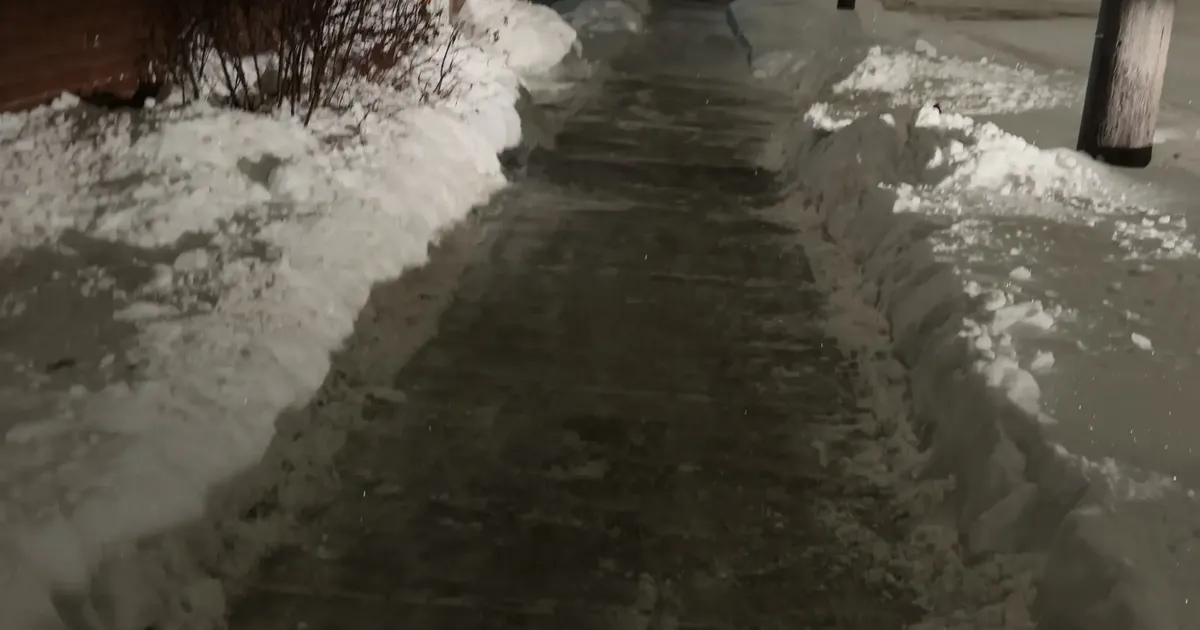
Follow the route a visitor actually takes
Walk from the public approach or parking area to the entrance and note changes in slope and material. Include side doors used by staff, delivery entrances and the route from accessible parking. A clear front landing is not enough if the approach is still blocked.
Identify door swing space, low areas and places where an overhang or downspout wets the pavement. Record these on a small entrance plan so the morning staff member and the maintenance contractor are talking about the same locations.
Environmental and Surface Considerations
Check the requirements for concrete, stone, pavers, coatings and nearby metalwork. Select the treatment for those surfaces rather than using whatever product remains in the parking-lot hopper.
Keep granules on the intended surface and away from planting beds. Product spilled at a storage bin or doorway can become another cleanup problem. Check the bin lid, scoop and label so staff can make a controlled application when authorized.
Clear, treat and check the entrance
- Remove snow and loose material with tools appropriate for the surface.
- Inspect remaining ice and water sources, including the bottom of steps and ramp transitions.
- Apply a compatible material according to its directions where treatment is needed.
- Recheck the surface and remove loosened slush before it is tracked through the door.
For a stubborn patch, reassess instead of piling on more product. If conditions remain hazardous, notify the site manager and arrange an appropriate temporary route or control while further work is organized.
Coordinate the outdoor and indoor handover
Agree who checks the entrance at opening and who monitors it during the day. The outdoor crew may leave before customers begin tracking moisture into the vestibule; the building team needs its own housekeeping plan.
Note wet mats, accumulated grit and slush at thresholds for prompt attention. Keep the door operation and required routes usable. Region of Waterloo: Business tools and resources expressly excludes blocking emergency exits, accessibility ramps and entrances when considering seasonal area closures.
Use a location-based report: for example, name the east ramp or staff-door landing, describe what is present and record when it was reported. This is more useful than an unexplained request to “salt again.”
Arrange a plan for your opening hours
Provide entrance photos, opening times, after-hours access needs and any surface restrictions when contacting DDSS. Ask how entrance handwork relates to the parking-lot scope and who handles checks between contractor visits.
Before a storm, confirm the contact for an unresolved entrance hazard. Afterward, review whether recurring water or a storage location needs a property repair or a revised work sequence. This turns repeat applications into a specific problem to solve.
Frequently Asked Questions
What is the most effective de-icing product for Ontario winters?
At an entrance, the suitable product must fit the surface and measured conditions. Check the ramp, landing and approach separately rather than assuming the parking-lot material is suitable everywhere.
Is de-icing included in my snow removal contract with D&D?
Check your DDSS quotation for walkway width and route, steps, ramps, landings, deicing and follow-up. A parking-lot clearing item does not by itself describe the work at each entrance.
Key Takeaways
- Inspect the full route, including the indoor transition.
- Define entrance handwork separately from parking-lot treatment.
- Assign opening checks and daytime reporting to specific people.
Sources & References

Include a preferred date and time
Request snow-service details
Identify the clearing areas, access priorities and seasonal or per-visit needs.
Prefer to send the details first? Request a quote or call (519) 501-5003.