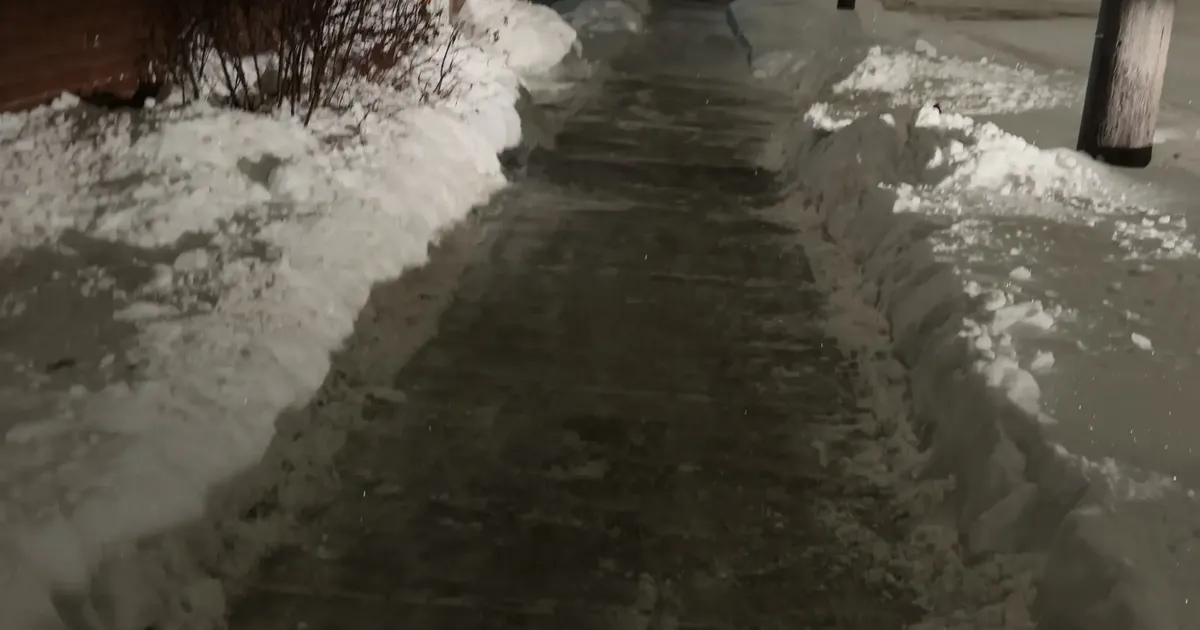
Assess the concrete you actually have
Walk the surface before snow hides it. Mark loose areas, patches, raised edges, damaged joints and places that stay wet. Photograph the condition and keep any information about the original installation, resurfacing or recent repairs.
An older driveway can include a new landing or overlay with different care instructions. A good-looking section does not establish that every repair is compatible with the same deicer. Ask the installer or repair supplier where requirements differ.
Environmental and Surface Considerations
Deicer exposure is one part of the damage assessment. NRMCA: CIP 2, Scaling Concrete Surfaces explains that scaling also involves moisture, freezing and concrete construction factors. Age alone does not establish why a surface is failing.
Inspect the source of repeated wetting as well as the salt supply. Snow stacked beside a low area, water from vehicles or roof discharge may prolong exposure. Include these observations in the winter plan and any repair enquiry.
Choose a workable winter option
- Compatible physical clearing: choose tools and methods that account for weak edges and previous repairs.
- Temporary traction: a suitable abrasive can help where ice remains, with checks to ensure it has not been covered or displaced.
- Targeted deicing: use only a product suitable for the surface and conditions, following its instructions.
- Further assessment: arrange help if persistent ice or unstable concrete prevents reasonable use of the route.
Do not assume calcium or magnesium chloride is a concrete-safe fix. FHWA: Chemical Deicers and Concrete Pavement documents concerns with those chemicals too. Avoid unsupported “safe for all concrete” promises when comparing products.
Separate winter control from repair work
Removing ice and repairing concrete are different jobs. Ask whether a proposed repair requires removing unsound material, correcting drainage or addressing a failed earlier patch. A new surface treatment cannot be assumed to bond reliably to deteriorated backing.
If sealing is proposed, ask the professional to explain product compatibility, required preparation and suitable weather. Do not apply a coating to wet or icy concrete as an emergency substitute for winter maintenance.
Where a trip or slipping hazard remains, arrange an appropriate route or access control while it is assessed. Keep required entrances and emergency routes available through the property’s response plan.
Give the contractor a surface-specific brief
Provide the condition photos, known repair products, recurring wet spots and routes that need to remain available. Ask how equipment will avoid vulnerable edges and which treatments are excluded from repaired sections.
After the season, compare new photos with the starting record. If deterioration has progressed, have the cause reassessed rather than attributing every change to one product. Use that review to decide whether the next step is adjusted winter care, a local repair or a wider concrete evaluation.
Frequently Asked Questions
What is the most effective de-icing product for Ontario winters?
On older concrete, the suitable treatment must account for both ice conditions and the slab or repair restrictions. No single salt can be declared best or harmless without that information.
Is de-icing included in my snow removal contract with D&D?
Check the DDSS quotation for the specified concrete areas and any treatment exclusions. Give the contractor the repair history and ask how clearing, traction material and deicing are distinguished.
Key Takeaways
- Assess condition and repairs rather than using age as the only test.
- A different chloride is not universally concrete-safe.
- Coordinate winter care with a separate repair assessment.
Sources & References

Include a preferred date and time
Request snow-service details
Identify the clearing areas, access priorities and seasonal or per-visit needs.
Prefer to send the details first? Request a quote or call (519) 501-5003.