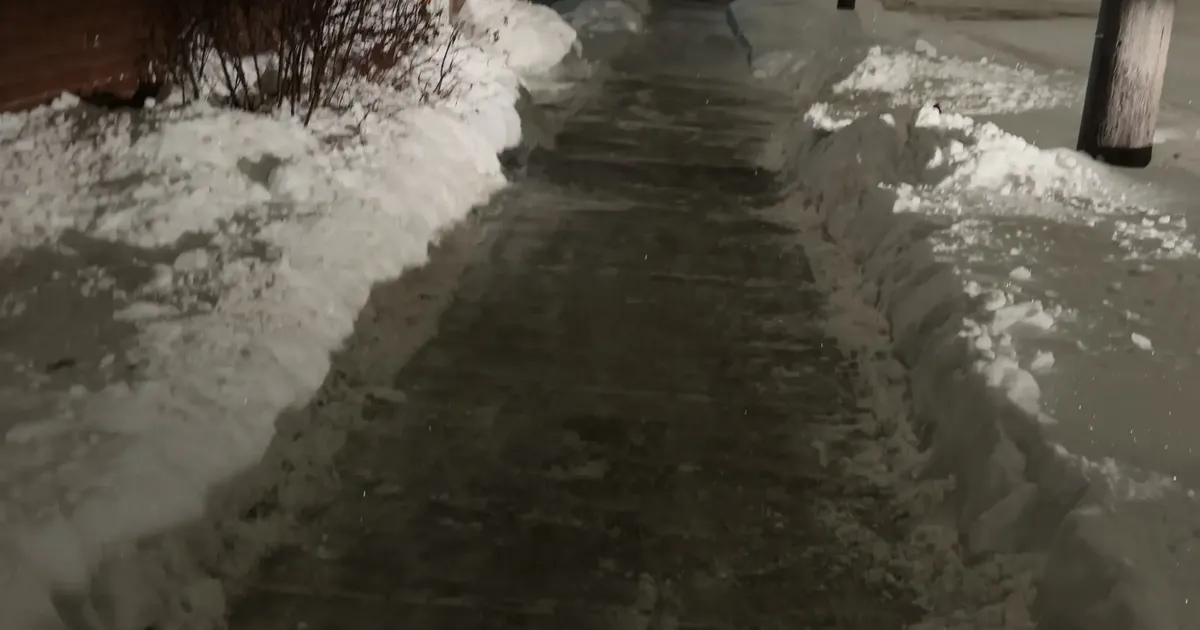
How salt reaches grass and roots
Deicing salts can enter soil with meltwater or reach plants in spray. University of Minnesota Extension: Deicing salts and landscapes explains that salt exposure can injure roots and foliage and that turf species vary in tolerance. Replacing sodium chloride with another chloride product does not remove every landscape concern.
Look for a pathway from the treated surface to the damage. Record the spreader edge, where snow was piled and where runoff flowed. The pattern is useful evidence, but it is not a diagnosis by itself.
Distinguish salt injury from other winter damage
Compare the affected strip with areas farther from pavement. Note where plow contact, prolonged ice cover or standing water occurred. University of Minnesota Extension: Brown lawn diagnosis lists more than one cause of brown winter-damaged turf.
Photograph the boundary after snowmelt and again as surrounding grass resumes growth. If the damage is extensive, recurrent or unclear, ask a qualified landscape professional whether soil testing or another investigation is appropriate. Do not assume every dead patch beside a driveway needs the same treatment.
Reduce exposure at the pavement edge
Check the effective spread width and the operator's route. Use the equipment's appropriate edge-control method so product lands on the intended surface rather than the lawn. Refill in a place where a spill can be recovered.
Plan snow placement before the season. Avoid concentrating treated snow against valuable shrubs or in a small lawn strip that already struggles. Keep drainage and access requirements in view; moving the pile must not create another icy route.
When pavement is dry, sweep up surplus granules before they wash into the landscape. If a contractor handles the driveway, show the damaged edge during the pre-season walk-through rather than relying on a general request to “use less salt.”
Choose recovery work from the site findings
First determine whether the grass is recovering or the area needs repair. Ask what explains the pattern and what can be changed before spending on seed or sod. Otherwise the repaired strip may face the same exposure next winter.
Discuss suitable seed, soil condition, drainage and establishment timing with the person doing the repair. Salt tolerance is one selection factor alongside sun, shade and intended use. Do not import a seed mix intended for another region without checking its suitability.
Avoid blanket fertilizer, gypsum or heavy-watering prescriptions without site advice. This article does not establish the soil chemistry, infiltration or destination of any runoff on your property.
Turn the spring damage into a winter instruction
Keep a marked photo of the sensitive area with the snow-service plan. Identify the preferred snow-storage area, spreader boundary and spill-cleanup responsibility.
When requesting DDSS service, describe the previous damage and ask how the proposed work will avoid repeating that exposure. Keep landscape-repair advice separate from promises about a deicer being harmless to every plant.
Frequently Asked Questions
What is the most effective de-icing product for Ontario winters?
Near a lawn, product effectiveness is only one consideration. Check the intended pavement conditions, application method and runoff path. No choice in this article is a guarantee against plant injury.
Is de-icing included in my snow removal contract with D&D?
Confirm deicing and any cleanup duties in your DDSS agreement. Tell the contractor which lawn edges have been affected and ask how those locations will be identified in the work plan.
Key Takeaways
- Map how salt, spray and snowmelt reach the damaged edge.
- Investigate brown turf before selecting a recovery treatment.
- Change the exposure plan before repairing the same strip again.
Sources & References

Include a preferred date and time
Request snow-service details
Identify the clearing areas, access priorities and seasonal or per-visit needs.
Prefer to send the details first? Request a quote or call (519) 501-5003.