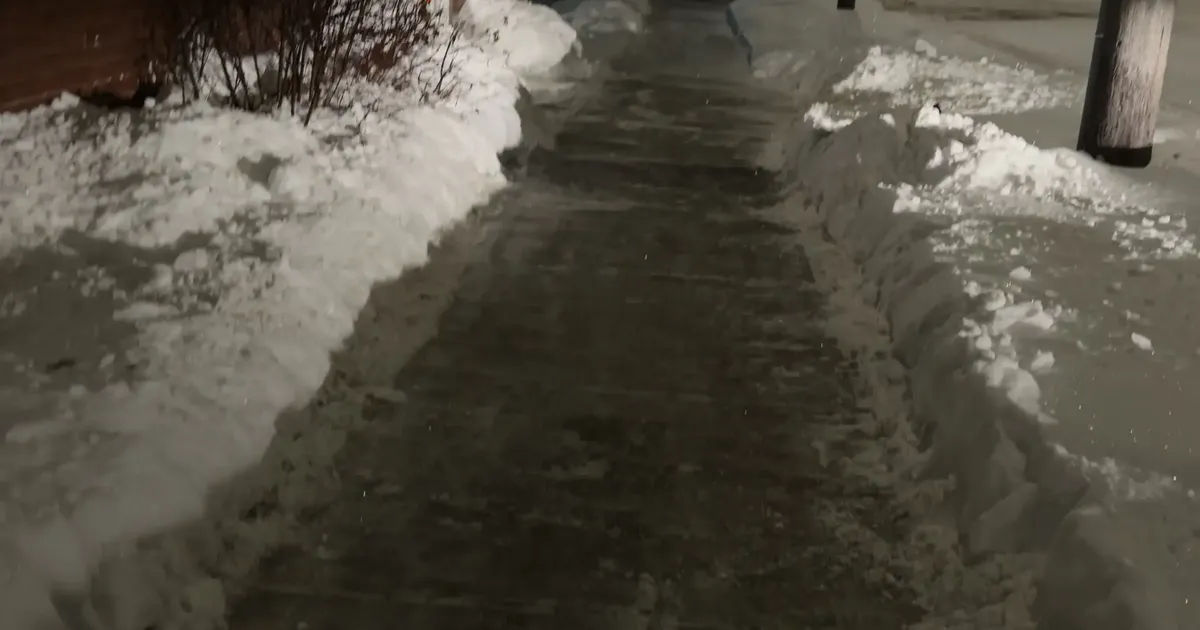
Office Building Snow Removal in Kitchener-Waterloo, ON
Snow clearing for businesses that need staff, tenants and customers through the door. Lots, entrances, loading areas and storefront walks, plowed and salted to one written scope.
- Written terms for areas, trigger, salting and return visits
- Visit and treatment records for your property file
- Insurance, WSIB and COI documentation on request
Office and business snow clearing, in short
We plow and salt parking lots, drive aisles, entrances, walkways and loading areas for office buildings, business parks and retail plazas in Kitchener, Waterloo, Cambridge, Guelph and nearby towns. Work starts with a free written estimate built around your opening hours and site map, and every visit is recorded for your file.
Your building or plaza
Request a written estimate for your office or plaza.
Send the address, the type of building and when people start arriving. If you manage more than one site, list them all and we can scope them together.
What office and business managers need
An office lot has a rush hour. Staff arrive in a wave, visitors look for the front door, and deliveries come to the back. A good winter plan follows that pattern instead of treating the property as one big rectangle of asphalt.
Staff parking and visitor stalls
The site map sets which rows open first. Visitor and accessible stalls near the main door usually lead, with staff rows and overflow parking after.
Entrances, side doors and walks
Main entrances, side exits used by staff, and the walks between them are listed separately from the lot, because hand clearing and salting a walk is different work from plowing a drive aisle.
Loading docks and deliveries
Docks, ramps and the lane to them are marked with the times trucks usually arrive, so a plow pass does not leave a windrow across the dock door.
Multi-tenant buildings
In a building with several tenants, the owner or manager holds the contract and names one site contact, so tenant requests come through one person instead of four.
Your property file
Insurance and WSIB documentation and a Certificate of Insurance are available on request, and visit and treatment records show the dates, times and areas plowed or salted.
Retail snow removal for plazas and storefronts
A retail plaza has the same lot and walks as an office, with more people on foot and more tenants keeping different hours. Customer stalls closest to the doors, the storefront walk and the curb ramps between them come first, because that is where shoppers step out of their cars.
Plazas run short of storage fast. Piles that eat customer parking or block a sign are a cost to every tenant, so the site map sets storage spots at the lot edges, away from drains, the fire route and sightlines at the exits. Salt on storefront walks is measured, which also cuts the slush and white residue tracked into shops.
Cart corrals, garbage enclosures and the rear service lane are written in or out of the scope, so each tenant knows what the plaza contract covers and what they handle themselves.
How the work is set up
- Walk the site. We walk the lot with you and map entrances, accessible stalls, loading areas, drains, the fire route and where snow can be stored.
- Send the estimate. You get a written estimate with the areas, trigger, salting, return visits, storage and exclusions, built around your opening hours.
- Stake before the freeze. Curbs, islands, light bases and landscaped edges are staked so the plow can find them under snow.
- Record every visit. Each visit is logged with the date, time and the areas plowed or salted, ready for your property file.
- Adjust after the season. In spring we go over the records and any damage, and adjust the scope for next winter.
Ice control on lots and walks
Plowing clears the snow; salting deals with the ice that forms under it. Both are listed in your agreement as separate tasks.
Treating the pavement before a storm, called anti-icing, helps stop ice bonding in the first place, while de-icing works on ice that has already formed. Below about -10°C rock salt does very little, so other de-icers or sand for traction are used instead.
Salt is measured to each surface. Too much of it pits concrete walks, burns the planting beds by your entrance and washes into storm drains, and it does not make a lot any safer.
Liability and records for business owners
Ontario changed the Occupiers' Liability Act in 2021: a person hurt by snow or ice on private property now has to give written notice within 60 days. The owner and the occupier still owe a duty of care to staff, tenants and visitors, and hiring a snow contractor does not move that duty to the contractor.
A written scope and visit records help show what was planned and what was done. Send any notice you receive to your insurer and lawyer. For more, read our page on commercial snow and ice liability.
Offices and plazas in Kitchener, Waterloo, Cambridge and Guelph
The University of Waterloo drew computing and software companies to the city, Research in Motion (now BlackBerry) among them, and today office buildings of every size are spread across both cities. Kitchener is the seat of the Regional Municipality of Waterloo, so regional and municipal offices add to the weekday traffic downtown.
Cambridge grew out of Galt, Preston and Hespeler, which were joined in 1973, so its business addresses run from older main streets to newer business parks. Guelph, roughly 22 km east of Kitchener at Highways 6 and 7, has its own mix of downtown offices and plazas on the main roads.
All of these sites deal with the same weather: snow squalls from the west, freeze-thaw cycles that glaze walks overnight, and heavy wet snow late in the season. On a busy plaza or office lot, storage space usually runs out by late winter, so the storage plan matters as much as the plowing.
- Commercial snow removal in Kitchener
- Commercial snow removal in Waterloo
- Commercial snow removal in Cambridge
- Commercial snow removal in Guelph
Office building snow removal questions
How much does office building snow removal cost?
Prices are not published because no two lots are the same. The cost depends on the lot size, the number of surfaces and entrances, loading areas, how much salting is needed, the clearing trigger, return visits and the contract type. A free written estimate breaks it down for your building.
Can the lot be cleared before staff arrive?
Tell us your opening hours and shift times and we build them into the plan. The written terms set the clearing trigger and how visits are scheduled during a storm, so you know what to expect rather than relying on a promised arrival time.
Do you clear loading docks?
Yes, when they are in the scope. Docks, ramps and the lane leading to them are marked on the site map with the usual delivery times, so plowing does not leave a ridge of snow across a dock door.
Who holds the contract in a building with several tenants?
Usually the owner or property manager. One site contact handles tenant requests, vehicle moves and approval of extra work, which keeps instructions to the crew clear.
Is salting part of every visit?
Salting is written into the agreement as its own task. The scope lists which surfaces are salted and when, and salt is measured to the conditions rather than spread the same way every time.
What records will we receive?
Visit and treatment records show the date, the time and the areas plowed or salted. They are kept for your property file and can be shared with your insurer if needed.
Do you handle retail plazas as well as offices?
Yes. Plazas get the same written scope, with extra attention to customer stalls near the doors, storefront walks, curb ramps and storage spots that do not take up parking.
Clearing a home driveway instead? Residential snow removal is handled by D&D Home Services.
Prefer to pick a date?
Book an office or plaza site walk.
Choose a time when someone can show us the lot and entrances. A booking request is confirmed by phone or email.
Prefer to send the details first? Use the estimate form or call (519) 501-5003.