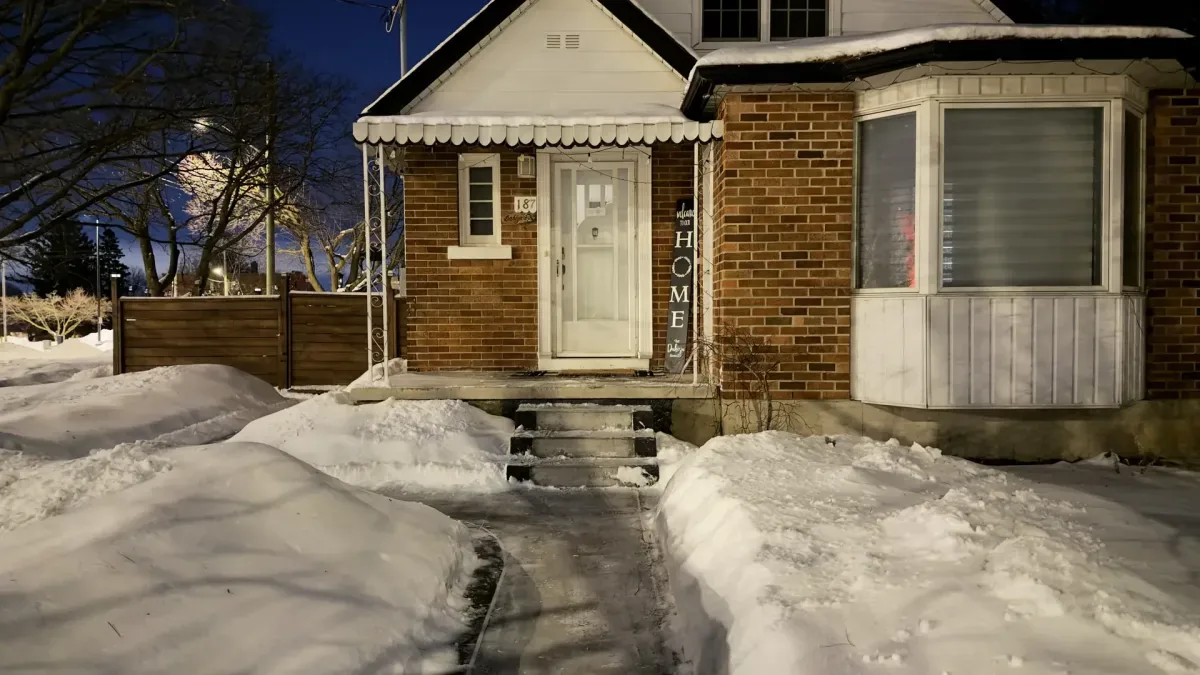
Medical Facility Snow Removal in Kitchener-Waterloo, ON
Snow and ice plans for clinics, medical offices and health buildings, where patients arrive with canes, walkers and wheelchairs and the entrance cannot be an afterthought.
- Accessible routes and drop-off zones set as first priority
- Visit and treatment records for the facility file
- COI, insurance and WSIB documents on request
Medical facility snow removal, in short
We clear and salt parking, entrances, ramps and drop-off zones at clinics, medical offices and other health buildings in Kitchener, Waterloo, Cambridge, Guelph and nearby towns. The written scope puts accessible routes and emergency lanes first, and visit and treatment records go into your facility file.
Clinic or facility details
Request a written estimate for your clinic or medical building.
Tell us the address, the kind of facility and when the first patients and staff arrive. Note any entrances, ramps or drop-off areas that must stay open.
What medical facility managers need
Patients at a clinic are more likely than most visitors to use a cane, a walker or a wheelchair, or to be unsteady on their feet. That changes which areas matter, in what order, and how the work is recorded.
Accessible entrances and ramps
Ramps, power-door approaches, curb cuts and accessible stalls are the first areas on the site map, cleared and treated before open parking rows.
Drop-off and pickup zones
Patients are often dropped at the door by family, taxis or accessible transit. The drop-off loop and the curb beside it are listed as their own area so a windrow is never left where someone has to step out.
Emergency and service lanes
Any lane used by ambulances, patient transport or deliveries stays open, and snow storage is placed well away from it.
Staff hours
Clinics often open early and staff arrive before patients. Your hours go into the plan, and the written terms set out how visits are scheduled when it snows.
Product choices near the door
Some facilities want less sand or residue tracked onto clinic floors. Preferences for de-icers at entrances can be written into the scope.
Records and documents
Visit and treatment records show the dates, times and areas plowed or salted. A Certificate of Insurance and WSIB documents are available on request for the facility file.
How we set up a clinic site
- Walk the entrances first. We start at the doors, ramps and drop-off loop, then map parking, staff entrances, service lanes, drains and storage spots.
- Write the scope. The estimate lists the areas in priority order, the clearing trigger, salting and de-icer choices, return visits, storage and exclusions.
- Stake and prepare. Before the ground freezes, curbs, ramp edges, bollards and planters are staked so they can be found under snow.
- Log each visit. Every visit is recorded with the date, time and areas plowed or salted, so your office can check the work.
- Look back in spring. We review the records with you and adjust priorities or areas for the next winter.
Ice control at clinic entrances
Plowing removes the snow and salting treats the ice beneath it; the agreement lists them as two tasks. At a clinic entrance, the treatment step is often the one that matters most.
Anti-icing before freezing rain helps keep ice from bonding to a ramp or walk, and de-icing melts ice that has already formed. Ordinary rock salt loses most of its effect below about -10°C, so on colder days other de-icers or sand for grip are used.
Measured application keeps residue down at the door and protects concrete ramps and steps from damage. Downspouts that drain across a walk are marked on the map, because they refreeze after every mild afternoon.
The 60-day rule and your facility records
Under a 2021 change to Ontario's Occupiers' Liability Act, anyone injured by snow or ice on private property must give written notice within 60 days. The facility's owner and occupier still owe patients, visitors and staff a duty of care, and that duty is not transferred by hiring a contractor.
A clear scope and dated visit records help show what was done and when. Pass any notice straight to your insurer and legal counsel. Our commercial snow liability guide covers the rule in more detail.
Health buildings across Waterloo Region and Guelph
Health care has deep roots here. The first hospital in Waterloo County opened in 1890 as Galt General Hospital, in what is now Cambridge, and Guelph General Hospital opened its first building in 1875. Today clinics, medical offices and health buildings are spread across Kitchener, Waterloo, Cambridge and Guelph, from downtown storefronts to purpose-built medical buildings on busy roads.
Each type brings its own winter problem. A storefront clinic may share a lot and a walk with other tenants. A medical building may have a drop-off loop, an underground entrance and several practices with different hours. A small office in a converted house may have narrow steps and almost no room for snow.
The weather adds the rest: squalls from the west, freeze-thaw cycles that glaze ramps overnight, and heavy, wet snow late in the season. By late winter, storage space on a small clinic lot is usually gone, so the plan for where snow goes is agreed in writing early.
- Commercial snow removal in Kitchener
- Commercial snow removal in Waterloo
- Commercial snow removal in Cambridge
- Commercial snow removal in Guelph
Medical facility snow removal questions
What does snow removal cost for a clinic or medical office?
We do not publish prices. The cost depends on the size of the lot, the number of entrances, ramps and drop-off areas, how much salting is needed, the clearing trigger, return visits and the contract type. A free written estimate sets out each item for your facility.
Our clinic opens early. Can the entrances be cleared before patients arrive?
Give us your opening time and when staff arrive, and we plan the site around it. The written terms set the clearing trigger and how visits are scheduled during a storm, instead of a fixed arrival time that weather can undo.
Do you keep ambulance and patient transport lanes open?
Yes, when they are part of the site. Emergency and service lanes are marked on the site map as areas to keep open, and snow storage is placed away from them.
Which areas are cleared first at a medical facility?
Accessible stalls, ramps, curb cuts, entrances and the drop-off loop come first. Open parking rows and less-used areas follow, in the order set out in the scope.
Can you use a different de-icer near our entrances?
Product preferences near doors can be written into the scope. Rock salt loses most of its effect below about -10 degrees Celsius, so other de-icers or sand are sometimes needed in any case.
What records do we receive?
Visit and treatment records list the date, time and areas plowed or salted. Your office can keep them in the facility file, and a Certificate of Insurance is available on request.
Do you serve medical buildings with several tenants?
Yes. The owner or property manager usually holds the contract and names one contact, and each practice's entrance is listed in the scope so nothing is missed.
Need a home driveway cleared? Residential snow removal is handled by D&D Home Services.
Prefer to pick a date?
Book a site walk for your facility.
Pick a time when someone can walk the entrances with us. A booking request is confirmed by phone or email.
Prefer to send the details first? Use the estimate form or call (519) 501-5003.